
Malaysia's Sultan of Perak makes the case for governed, not just pious, waqf

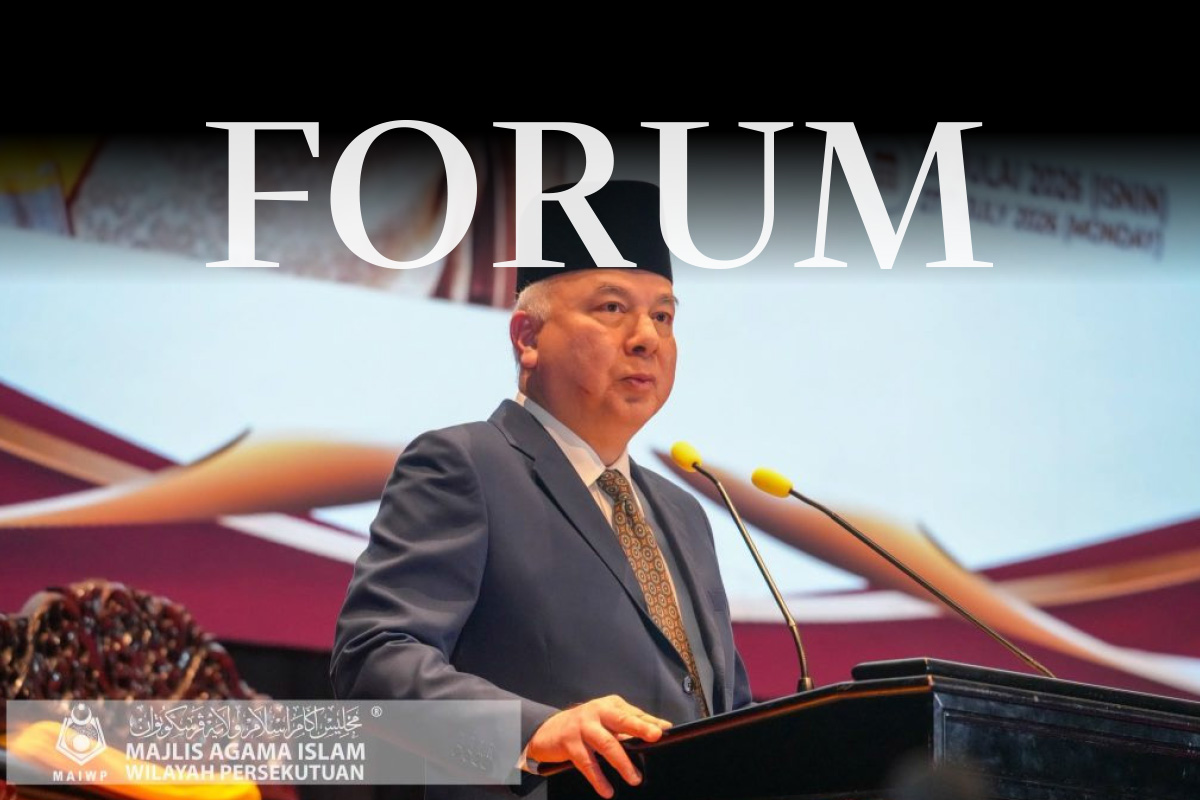
In an address to Kuala Lumpur's International Da'wah Convention on July 27, Sultan Nazrin Muizzuddin Shah of Perak argued that waqf, the Islamic endowment that funded the libraries of Baghdad, the hospitals of Damascus, and Fatima al-Fihri's ninth-century foundation of the University of Qarawiyyin, needs the same thing any large capital pool needs: professional governance. His case is that too much existing waqf land now sits idle, its records incomplete and its titles disputed, and that reviving the institution requires transparent ledgers and accountable trustees at least as much as it requires more capital. He treats work already underway as a foundation to build on: Indonesia's Waqf Core Principles, developed with Malaysia's own INCEIF University; AAOIFI's shariah standard on waqf; and Kazakhstan's national governance framework. His four proposals are a joint international working group to harmonize these existing standards, digital cash-waqf platforms with public, real-time dashboards, a pilot fund for solar retrofits across Southeast Asian mosques and madrasahs, and governance charters that make principles like justice and trusteeship binding rather than decorative. The address treats waqf as unfinished institutional infrastructure, built by ordinary donors across a thousand years, still waiting on the accounting discipline that would let it fully deliver.
This is a QeRN summary by Ahmed Qerni. Read the original at The Edge Malaysia: https://theedgemalaysia.com/node/813060.