
Twenty-five education ministers sign a statement on who governs AI in schools

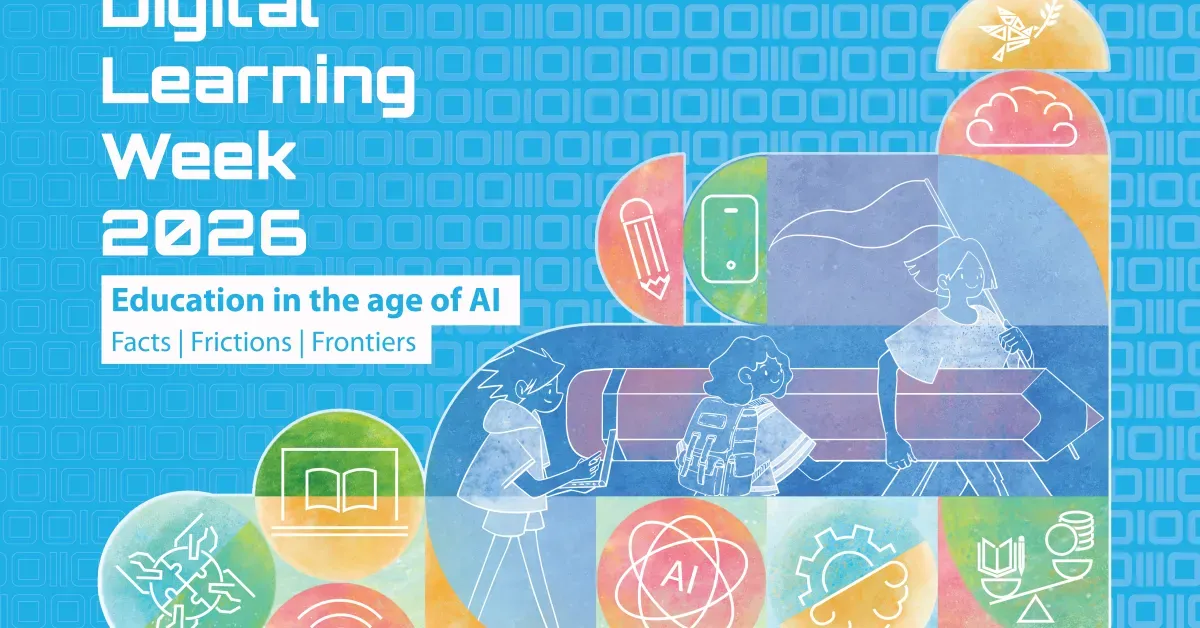
UNESCO's Digital Learning Week ran in Paris from 8 to 11 September under the theme 'Education in the age of AI: Facts, Frictions, Frontiers', and closed with a joint ministerial statement on sustaining education as a common good in the age of AI. More than twenty-five education ministers signed, alongside sessions with experts, industry representatives, teachers and students. The statement's emphasis is on public accountability, the rights of learners and teachers, and firmer governance over how AI enters a school system. The substantive output is less the declaration than the material released with it. UNESCO published a compilation of policy briefs covering AI safety governance, digital sovereignty, procurement and cost models, and age-appropriateness. Procurement is the unglamorous item on that list and the one that will decide most outcomes. A ministry that has not thought about contract terms, data rights or exit costs before a vendor arrives will accept whatever is offered, and the decision will be effectively permanent. The week also produced fresh data from UNESCO's annual survey of its Chairs worldwide on emerging trends in AI in higher education. For ministries across the OIC bloc this is a usable template rather than an aspiration: the briefs are short, specific, and written for officials who have to sign something next quarter.
This is a QeRN summary by Ahmed Qerni. Read the original at UNESCO: https://www.unesco.org/en/articles/education-age-ai-ministerial-statement-be-adopted-unescos-digital-learning-week.